


Picking a table at Playregal Casino doesn’t involve tapping the first thumbnail that grabs your attention. The lobby is a well-designed mix of traditional games, live dealer rooms, and new twists on old favourites. When you handle the selection with a well-defined plan, you gain more value, longer sessions, and bypass the typical traps: mismatched rules, wrong pacing, poor bankroll fit. This guide walks through a reliable method for sizing up any table before you make a bet.
Understanding the Difference Among RNG Tables and Live Dealer Studios
The first big choice splits the lobby into two types of tables: RNG (random number generator) and live dealer. RNG tables are digital games where certified algorithms determine each outcome. They’re fast, completely private, and you can join at any stake without waiting for a seat. You can try strategies quickly, pause mid-hand, and nobody’s watching.
Live dealer tables stream real croupiers from professional studios. The pace is slower on purpose, reflecting the rhythm of a physical casino. You can chat with the dealer and other players, and seeing actual cards or a real roulette wheel spin brings a layer of trust that pixels can’t match. Playregal has several live studios, so the vibe can shift a lot depending on the dealer’s style and the time of day.
The real question isn’t which format is better in a vacuum. It’s which one aligns with what you’re trying to do right now. If you need to work through bonus wagering requirements fast, RNG blackjack bbc.co.uk or roulette will be way more efficient. If you’re after the social cues, the timing, and the ritual of a real casino, head straight to the live lobby and embrace its slower, more natural rhythm.
Examining Rule Variations That Alter the House Edge
Not all blackjack tables with the same name operate the same way. The differences impact your pocket directly. A game where the dealer stands on soft 17 offers a lower house edge than one where the dealer hits. At Playregal, you can check the rules in the info panel or help menu of each table. If you avoid reading those details, you’re just offering extra margin to the casino.
In blackjack, the payout on a natural blackjack is the biggest variable. A 3:2 payout is the benchmark for a decent game. A 6:5 payout, on the other hand, increases the house edge considerably. Doubling restrictions, resplit rules, and the number of decks all chip away at your expected return, or give a little back. Make reading these rules a pre-session habit; it directly shapes your long-term results.
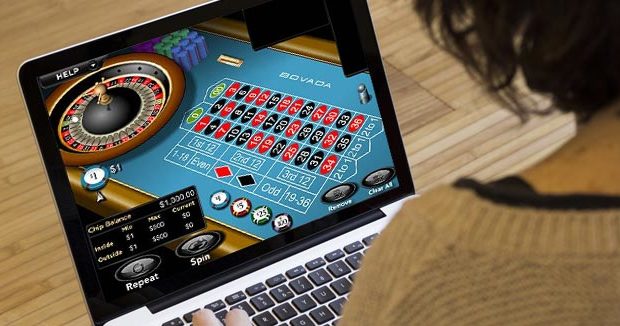
Roulette keeps its edge in plain sight with the wheel format. European single-zero roulette has a house advantage about half that of American double-zero roulette. Playregal offers both. A sharp player regards the American wheel as a bit of fun, not a serious tactical environment. The same idea holds for baccarat: those commission-free side bets often carry a steeper vig than the main game.
Checking Table Limits and Aligning Them to a Sensible Bankroll
Every table at Playregal shows a minimum and a maximum bet. Those numbers serve a real purpose. They’re the first filter that stops you from gambling at stakes that ruin your money management. A common error is sitting down at a table where the minimum bet is five percent or more of your whole session bankroll. That kind of ratio leaves zero room for variance and forces you to play scared, which cannot last.
A wise rule of thumb that disciplined players apply is the one percent rule: your base bet should be no more than one percent of your session bankroll. With £200, that means hunting for tables with a £2 minimum. Playregal’s lobby typically shows the limits before you click in, and filtering by stake range is a cold, mechanical step that cuts out emotional temptation.
Maximum limits are equally critical if you utilize any kind en.wikipedia.org of progression system. If the table cap is too tight, you can’t properly carry out your betting pattern when a hot streak appears. Players who employ positive progressions should confirm that the table maximum allows at least four or five doubling steps before you hit a wall. That quick check saves you from mid-session frustration and a necessary move to another table.
Evaluating Table Pace and Player Count in Live Environments
A live blackjack table with seven players is nothing like one with two players and the dealer. More people equals more hands per shoe, but the action returns to you much slower. The social side ramps up, but your hands per hour decrease. If you want to play alone, search for tables with empty seats or log in early in the morning when traffic is light.
Playregal’s live lobby usually indicates seat availability before you even load the stream. Some tables have a bet-behind feature, so you can wager on another player’s hand when all seats are taken. That maintains you in the action, but you give up decision-making control. If you want to call every split and double yourself, seek an open chair instead of choosing a passive role.
Dealer experience and studio format also shape table speed. Some live roulette studios use automated wheel-launch systems that keep spin intervals consistent. Others rely on the croupier’s rhythm. Watch a few rounds before you bet to get a feel for the tempo. If you’re a patient, methodical player, stay away from rapid-fire auto-roulette setups where you have only a few seconds to decide.
Determining Table-Specific Bonus Compatibility and Wagering Nuances
Bonus funds at Playregal come with contribution weightings that vary by game category and often by individual table. Slots usually contribute 100% toward wagering, but table games often stand at 10% or 20%, and some titles are excluded completely. If you trigger a welcome offer and then sit down at an ineligible blackjack variant, you’re basically voiding the promo value, no matter how well you play.
The smart move is to review the bonus terms before you play. Look for the list of qualifying games or the contribution rates. Live dealer tables usually have stricter exclusions than RNG ones because the lower house edge makes clearing bonuses easier mathematically. That’s not a hidden trick; it’s standard industry design, and Playregal makes the info available to anyone who chooses to look.
On top of contribution rates, some tables also have maximum bet limits while a bonus is active. If you go over that cap, you could cause a forfeiture clause. The safest approach is to keep bonus play to clearly eligible RNG titles with modest, steady bet sizes. Then, once you’ve cleared the wagering and your balance is unrestricted cash, you can move to your favourite live tables.
Identifying When a Table’s Atmosphere Enhances or Impairs Decision Quality
Atmosphere is a real tactical variable, even if it seems subjective. A live dealer table with a engaging, fast-talking host can drive you into rushed bets. A quieter studio with a calm, professional dealer enables you think more. Playregal’s live offering covers multiple studios, so you get varying vibes side by side. Trying a few dealers before deciding for a serious session is a sensible move.
Visual overload plays a role, too. Some game-show style live titles include side bets, multipliers, and animated overlays. They’re engaging, but they can divide your attention and result to chasing low-probability bonus outcomes. If you’re looking to grind with discipline, opt for clean, traditional table layouts where the core odds are directly presented of you and nothing distracts your focus.
Audio design counts as well. Fast sound effects and celebratory chimes for small wins can trick you into thinking you’re winning more often than you are. Muting or lowering the volume on theatrical tables is an underused concentration hack. The discipline to pick clarity over spectacle differentiates players who make decisions from those who respond to whatever the game designer presents at them.
Building a Custom Table Selection Checklist Ahead of Every Session
Transforming all these principles into regular habits requires having a standardized pre-game routine. Step one: define the session’s purpose. Is this a wagering-requirement grind, a real-time entertainment evening, or a concentrated strategy test? The answer instantly limits the lobby section and removes tables that don’t fit. Objective-based filtering is the strongest shortcut to a good table choice at Playregal.
Step two: do a hard bankroll-to-limit calculation. Break your total session funds by 100 to get a practical base unit. Then check that tables with matching minimums are available in the category you’re looking at. If they fail to, you have to modify your bankroll or reduce the session. No amount of game knowledge can compensate for a discrepancy between what you have and the price of admission.
Steps three and four are mechanical. Examine the rule panel for house edge variables and check the bonus terms for contribution rates and maximum bet clauses. These require under two minutes but spare you hours of flawed play. The final item is a short observation period. On live tables, observe at least four or five hands or spins. Note the dealer’s pace, the chat vibe, and whether the table seems appropriate for composed, analytical play. Only then must you commit chips.
Choosing the right table at read the full article isn’t a guessing game disguised in luck. It’s a set of deliberate filters: format, limits, rules, pacing, bonus compatibility, atmosphere, and a checklist habit. When you run them in sequence, they dependably steer you toward sessions that fit your temperament, protect your bankroll, and squeeze the most from every wagering decision. The lobby favors analysts, not tourists. Next time the screen populates with table thumbnails, resist the urge to click impulsively. Apply the filters, study the fine print, and take a seat you picked, not one you stumbled onto.